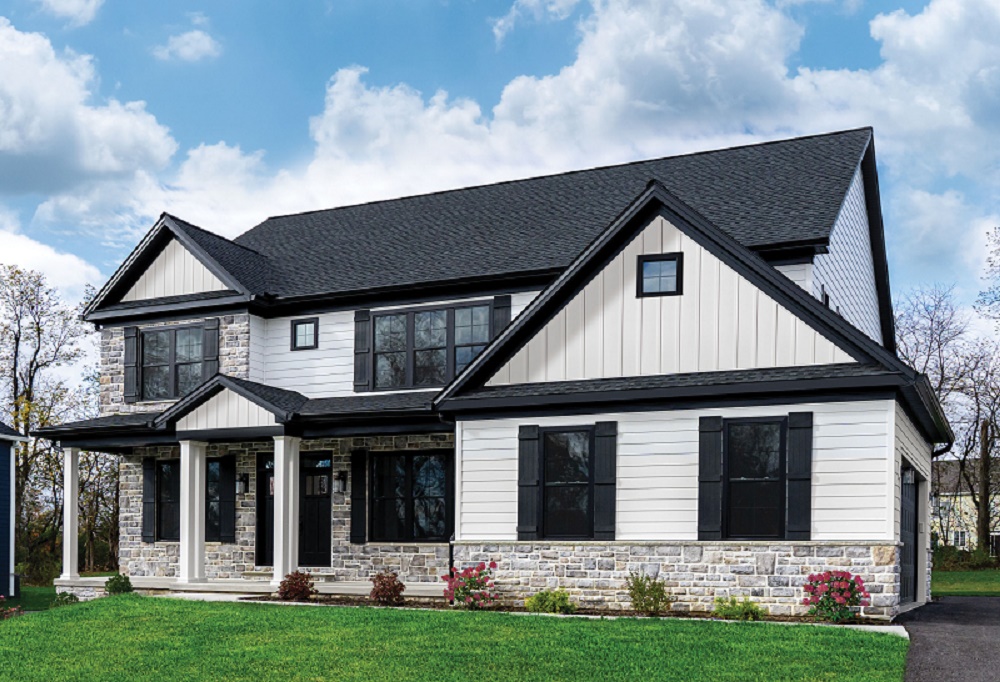
A Homeowner’s Guide to a Beautiful, Low-Maintenance Exterior
Composite cladding blends several engineered materials into one strong, low‑maintenance exterior that protects your home and gives it a fresh, attractive look.
For homeowners, the biggest advantage is that composite cladding can deliver the warm, high-end look of wood without the upkeep that is typically required.
That balance of beauty and performance is what makes products like ALIGN® Composite Cladding especially compelling. ALIGN is designed to capture the character of cedar-style planks while offering advanced performance against everyday challenges like moisture, impact, insects, and weather.
Is composite cladding the same as siding?
People often use the terms “cladding” and “siding” interchangeably. Both refer to the material installed on a home’s exterior walls to help protect the structure and create its finished appearance.
The difference is that “cladding” is often used more broadly to describe an exterior protective layer, while “siding” is the more common residential term. Composite cladding can be thought of as a premium type of siding that combines style, strength, and low maintenance.
What is composite cladding made of?
Wood siding is made from a single natural material. Vinyl siding, on the other hand, uses polyvinyl chloride (PVC; a lightweight plastic) as the core component, while fiberglass siding is made from glass fibers reinforced with resin.
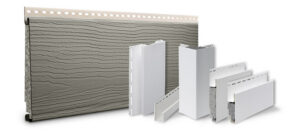
Composite cladding takes a different approach by combining multiple technologies into one product. Depending on the manufacturer, this may include advanced polymers for moisture resistance, reinforcing materials for added strength, insulating components, as well as protective surface technologies to help maintain appearance over time.
Every siding option has its place, depending on a homeowner’s priorities. Composite cladding stands out for combining the wood aesthetics many want with the durability and ease associated with engineered materials.
Is composite cladding durable?
Yes. Its layered construction helps the exterior maintain its strength and appearance over time. Composite cladding is also commonly valued for its dimensional stability, which helps it keep its shape and resist warping, cracking, or splitting.
Is composite cladding energy efficient?
Composite cladding can support a more energy-efficient exterior, especially when it includes an insulating component.
While cladding alone does not determine a home’s overall efficiency, it can play an important role. Factors like wall insulation, air sealing, windows, doors, and proper installation also affect how efficiently a home retains heated or cooled air.
Is composite cladding expensive?
Composite cladding can cost more upfront than some options, but for many homeowners, the overall value comes from balancing their initial investment with fewer ongoing requirements for painting, staining, sealing, or repairs.
Total cost depends on factors such as the size of the home, product selection, installation requirements, labor rates, and any project preparation. More customized design, color, profile, or trim selections can also influence the final price.
How does composite compare to other siding/cladding materials?
When choosing a new exterior, homeowners typically compare composite cladding with vinyl, wood, and fiber cement siding. Each offers advantages, but composite cladding is designed to balance the features buyers want most: durability, style, and easier maintenance.
- Composite cladding vs. wood siding
Wood siding has a classic look but keeping it in good condition can take extra time and effort. Composite cladding delivers wood-like texture and dimension without the added chores.
- Composite cladding vs. vinyl siding
Vinyl siding remains popular because it is budget-friendly, versatile, and relatively easy to maintain. Composite cladding is often preferred when the goal is a bold, more architectural presence.
- Composite cladding vs. fiber cement siding
Fiber cement is known for its durability, but homeowners may need to factor in project complexity, labor costs, and future maintenance like repainting or caulking.
Is composite cladding a good choice for my home?
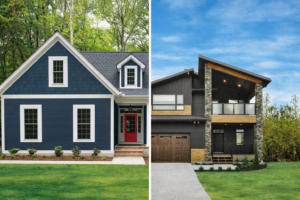
Composite cladding may be a good choice if you want the warmth of wood, the dependability of modern materials, and an exterior that requires less of your attention in the long run.
Elevate your exterior
Your exterior should protect your home, reflect your personal style, and continue performing for years to come.
Composite cladding brings together beauty, strength, and everyday convenience, making it a standout choice when your home is ready for a refresh. ALIGN builds on those benefits with a premium system designed for lasting style, low-maintenance performance, and design flexibility. With plank and board & batten profiles, there are more ways to add depth and dimension to the exterior in a way that feels refined at every angle. Coordinating accessories help you create a polished, cohesive finish, while engineered durability gives you added confidence in your investment.