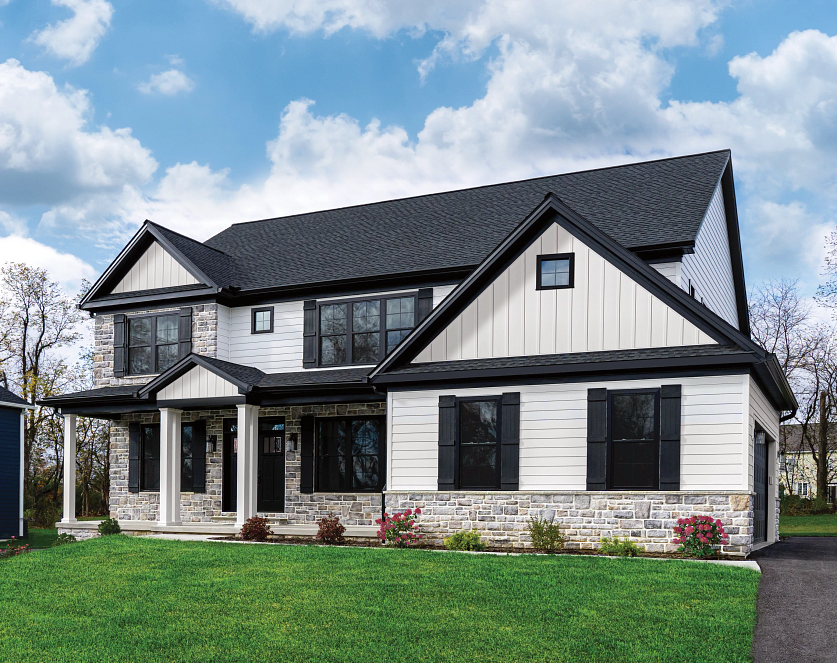
Durability is one of the first things homeowners, contractors, and builders look for when choosing exterior cladding. Whether comparing traditional wood, fiber cement, or modern composite materials, the question is always the same: will it stand up to Canada’s climate and continue to look great year after year?
Wood offers natural charm but often demands ongoing maintenance. Fiber cement is known for strength, yet still raises questions about finish upkeep and long‑term appearance. ALIGN™ Composite Cladding, available exclusively through Gentek Canada, gives the market a different option—a low‑maintenance composite system engineered to deliver the look of real wood with advanced performance built into every panel.
To explore what makes ALIGN so durable, we spoke with Neil Smeaton, Product Manager, about how the product is engineered and why its system‑level design matters.
Q: When people ask whether ALIGN Composite Cladding is durable, where do you begin?
Neil Smeaton: Durability isn’t a single feature—it’s the result of how the entire cladding system is designed. With ALIGN, everything works together: the material formulation, the panel structure, the insulating backing, and the installation features.
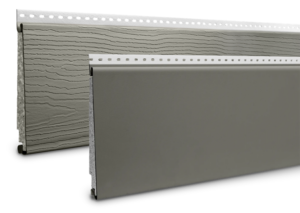
ALIGN is built using composite construction powered by exclusive GP² Technology, which combines glass‑reinforced polymer with graphite‑infused polystyrene. The polymer adds strength, while the polystyrene backing supports thermal performance and gives the panel a solid, substantial feel on the wall.
Think of it like a vehicle: the exterior shell provides stability and protection, while the engineered materials underneath support comfort and performance. ALIGN uses a similar layered approach, supported by “protective ingredients” such as UV stabilizers, impact modifiers, weatherable pigments, and flame retardants.
Installation contributes to durability as well. Features like a reinforced nail hem, self‑aligning lock design, and integrated backing help panels install efficiently while supporting long‑term rigidity and a clean finished appearance.

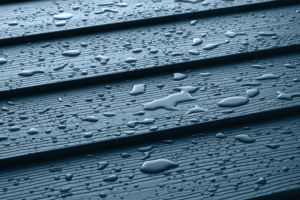
Q: How does ALIGN perform against moisture?
Neil: Moisture resistance is one of ALIGN’s biggest advantages. Because its composite materials are non‑absorbing, the panel doesn’t rely on paint, caulking, or surface treatments as its primary defense. Moisture resistance is built directly into the material.
Behind the panel, ALIGN’s integrated foam backing creates a slight separation from the weather‑resistive barrier. This produces a natural rainscreen effect, helping manage incidental moisture and supporting long‑term performance.
For homeowners, that means an exterior that stands up to rain, humidity, and seasonal changes. For contractors and builders, it means fewer callbacks related to finish issues.
Q: What role does wind resistance play in ALIGN’s durability?
Neil: Wind resistance shows how well the panel, lock, and fastening system perform under pressure. In strong winds, you need a cladding system that stays secure at the attachment points.
ALIGN is engineered with a polymer-reinforced nail hem that gives the panel added rigidity along its edge and helps protect against fasteners pulling through the material under load. The fasteners are hidden in the finished installation, eliminating exposed nail heads and paint touch-ups while helping create the crisp, uninterrupted look that homeowners want. Paired with a self-aligning lock design, this construction helps the product stay securely engaged across the wall.
Wind resistance is measured in pounds per square foot (psf), which translates performance into a useable spec. The higher the allowable negative design pressure, the more wind pressure the cladding can resist when installed with the specified fasteners and spacing.
For ALIGN 7″ Plank, the allowable negative design pressure is up to 53 psf with roofing nails. For ALIGN 12″ Board & Batten, the range is 50 psf to 117 psf, depending on whether nails, staples, or screws are used and how closely they are spaced. That range gives builders and contractors more tested options to meet the project’s wind-load requirements.
Q: Is ALIGN impact resistant?
Neil: Yes. ALIGN is engineered to resist everyday impacts around the home or jobsite. Instead of relying solely on thickness, ALIGN builds toughness directly into the material formulation using impact modifiers that help the cladding resist dents and dings while maintaining the right balance of rigidity.
Too stiff, and a panel becomes vulnerable to cracking. Too flexible, and it loses the solid appearance homeowners expect. ALIGN’s formulation strikes the right balance.
ALIGN 12″ Board & Batten has been tested at greater than 35 in‑lbs impact resistance. The warranty also includes coverage for hailstones up to 1″ diameter for qualifying claims.
Q: What about fire‑rated performance?
Neil: ALIGN includes flame retardants within its engineered formulation and has achieved a Class A fire rating for both flame spread and smoke developed.
As always, local building codes and project conditions matter, so review the applicable documentation for your region.
Q: What warranty coverage does ALIGN offer?
Neil: ALIGN is backed by a lifetime limited warranty for the original homeowner, with transferable coverage for future owners. It covers manufacturing defects and finish performance concerns such as blistering, corroding, flaking, and peeling under normal use.
Q: What’s the main takeaway for homeowners, contractors, and builders?
Neil: ALIGN Composite Cladding is durable because it is engineered as a complete system. The material formulation, insulating backing, locking design, weatherable finish, and accessory package all work together to deliver dependable performance.
That’s the ALIGN durability story: engineered construction you may not notice from the curb, but you’ll appreciate every time the exterior continues to look the way it should.
See how ALIGN Composite Cladding delivers the durability, style, and performance